
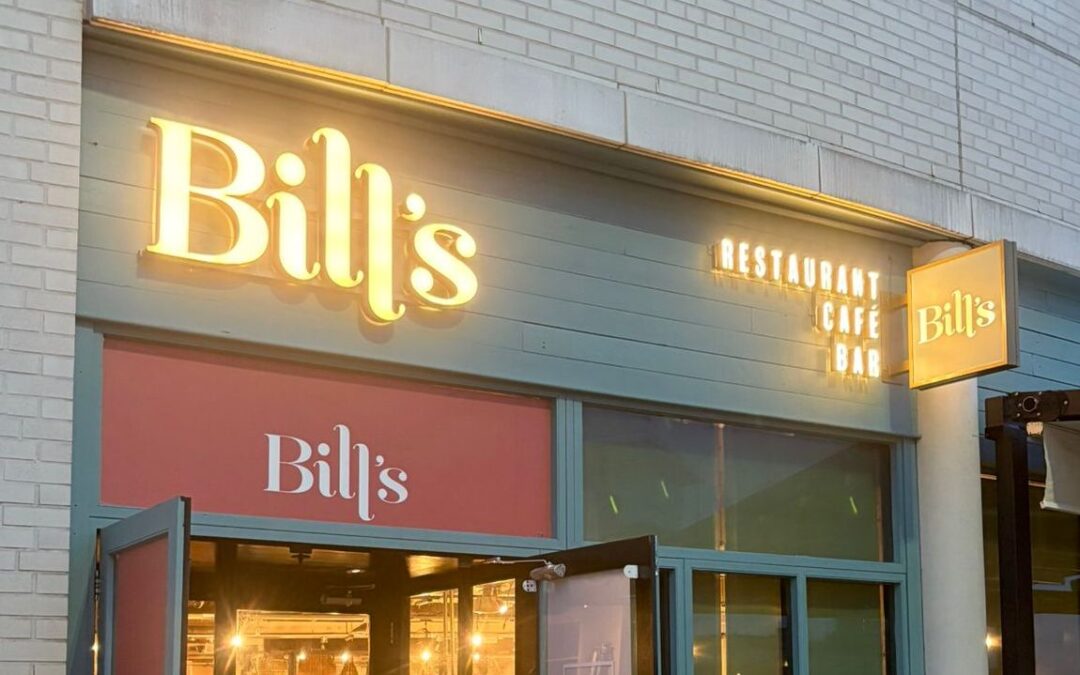
A restaurants customer journey starts long before the first meal arrives. In fact, it starts outside the building.
Customers may notice your sign from across the street. Within seconds, they form an opinion about your restaurant. Good restaurant signage can suggest quality, style and value. Poor signage may send the opposite message.
Your restaurant signage should reflect the experience waiting inside. Therefore, every colour, material and typeface needs a clear purpose.
This matters across London and Hertfordshire. Restaurants often compete for attention in busy locations. As a result, clear and creative signage can make a real difference.
Yet visibility is only part of the job. Great signs also build trust, guide customers and support your wider brand.
Why Restaurant Signage Matters to Your Brand
Your restaurant is more than its name or logo. It has a mood, style and personality. Therefore, your signage must express those qualities at a glance.
For example, a fine dining venue may use brass letters. A lively bar might choose bright illuminated signs instead. Meanwhile, a local café may suit warm timber and painted lettering.
Each option creates a different feeling. So, the right choice depends on your brand and audience.
Professional signage can help your restaurant:
- Attract the right type of customer
- Become easier to find
- Look established and trustworthy
- Stand apart from nearby competitors
- Remain visible during evening hours
- Create a more complete customer experience
- Build recognition across several locations
Above all, your signage should feel true to the business. A stylish sign cannot fix a confused brand. However, it can bring a strong brand to life.
Turning Your Brand Into a Physical Space
Restaurant branding often begins on a screen. A designer may create a logo, colour palette and typeface. However, those ideas must later work across a real building.
That change is not always simple.
For instance, fine lettering may look clear on a menu. Yet it could become hard to read on a fascia. Likewise, a subtle colour may work online but disappear outside.
A sign maker can help bridge that gap. First, they will consider the site and viewing distance. Next, they can test suitable sizes, colours and materials. Finally, they can plan how every sign will work together.
The restaurant name should remain easy to identify. In addition, the style should support the food and service offered.
A casual pizza restaurant needs a different approach from a luxury steakhouse. Equally, a family café should not look like a late-night cocktail bar.
Good signage makes that distinction clear.
Exterior Signs That Attract the Right Customers
Your main exterior sign is often the hardest-working brand feature. It promotes the restaurant throughout the day. Moreover, it keeps working when the business is closed.
Fascia signs are a common starting point. However, the correct design depends on the building.
Built-up letters can add depth and create a premium finish. Alternatively, flat-cut letters offer a clean and simple appearance. Traditional sign trays may suit modern shopfronts and larger restaurant groups.
Projecting signs can also improve visibility. They face people walking along the pavement. Therefore, customers do not need to stand opposite the restaurant.
Window graphics offer another useful branding surface. For example, they can display opening hours or booking details. Frosted films can also provide privacy without blocking all natural light.
Still, every element must have enough space. Too many messages will weaken the overall design. Instead, lead with the restaurant name and essential information.
Restaurant Signage After Dark
Many restaurants trade during the evening. Therefore, a sign that only works during daylight has limited value.
Illumination can help a restaurant remain easy to spot. It can also change the mood of the whole frontage.
Built-up letters may use face or halo lighting. Face illumination produces a bold and clear result. In contrast, halo lighting creates a softer glow behind each letter.
LED neon can add colour and character. For instance, it may suit bars, casual dining venues or feature walls. Traditional neon offers a distinct appearance but needs careful planning.
Trough lights provide another practical option. They can light painted signs and traditional fascias from above. Meanwhile, internal LEDs can brighten sign trays or individual letters.
Brightness still needs control. An overly bright sign may look harsh or cheap. So, lighting should suit the setting and surrounding properties.
How Interior Signs Shape the Experience
Restaurant branding should continue after customers enter. Otherwise, the outside and inside can feel disconnected.
A welcome sign can create a clear arrival point. Similarly, a logo behind the reception desk can strengthen brand recognition. Feature signs also give customers a natural place to take photographs.
However, interior restaurant signage has practical uses too. Directional signs help visitors find toilets, lifts and private dining areas. Door signs can mark staff-only spaces without spoiling the design.
Menus must also be easy to follow. Therefore, wall-mounted menu boards need clear spacing and readable type. Customers should not struggle to understand prices or options.
Accessibility matters as well. Signs should provide enough colour contrast. Where needed, tactile details can help more people use the space.
Each item may serve a different purpose. Even so, the design should remain consistent throughout.
Keep Every Sign Consistent
Brand consistency creates familiarity. As a result, customers can recognise your restaurant more easily.
Use the same core colours across key signs. Also, keep typefaces and logo layouts consistent. Small changes may seem harmless, but they can weaken the wider identity.
Consistency matters even more for restaurant groups. Every branch should feel connected to the main brand. However, each site may still need a tailored approach.
For example, a city-centre branch may require compact signs. A larger Hertfordshire site could offer more space and longer viewing distances. Therefore, the signs should adapt without losing their shared identity.
Create clear brand rules before starting a rollout. These should cover colours, finishes, lighting and logo spacing. Then, future sites become easier to plan.
Choosing Materials That Suit Your Restaurant
Materials affect appearance, durability and cost. Therefore, they should be selected with care.
Timber can create a warm and natural feel. It may suit cafés, pubs and relaxed dining spaces. However, exterior timber needs the correct finish and maintenance.
Aluminium is light, strong and highly versatile. For that reason, it works well for fascia panels and fabricated letters. Powder coating also provides a wide choice of durable colours.
Stainless steel can produce a smart, modern finish. Meanwhile, polished brass offers a warmer and more traditional look. Both may suit premium restaurants when used with restraint.
Acrylic is another flexible option. It can be cut, printed or illuminated. Vinyl can then add opening hours, patterns and short-term promotions.
Glass and mirror finishes can bring depth indoors. Yet every surface needs to suit its position. Grease, moisture, sunlight and regular cleaning may affect the final choice.
A skilled sign maker will consider all these factors. Consequently, the finished signs should look good and perform well.
Common Restaurant Signage Mistakes
Many signage problems begin during the planning stage. Fortunately, most can be avoided.
One common mistake is using lettering that is too small. The design may look elegant on a laptop. However, it could become unreadable from the road.
Poor colour contrast creates a similar problem. Grey text on a slightly darker background may look refined. Yet customers might struggle to read it from a distance.
Other common mistakes include:
- Placing too much information on one sign
- Choosing style over clear communication
- Using several unrelated typefaces
- Ignoring evening visibility
- Covering too much window space
- Selecting unsuitable exterior materials
- Treating wayfinding as an afterthought
- Installing signs without checking approvals
Rushed production can also cause trouble. For example, measurements may be taken before other building work finishes. As a result, the completed sign may no longer fit correctly.
Early planning reduces these risks. It can also prevent costly changes later.
Planning Signage in London and Hertfordshire
Restaurant sites can vary greatly across London and Hertfordshire. Therefore, signage needs a site-specific approach.
Central and North London restaurants may face busy streets. Often, the viewing distance is short and competing signs are close. A projecting sign can help in these settings.
Elsewhere, restaurants in Barnet, Enfield and Cockfosters may occupy traditional shopfronts. Consequently, their signs may need to respect existing architecture.
Larger premises in Hatfield or Welwyn Garden City can present different challenges. For instance, signs may need to remain visible from a car park. Building-mounted letters might also require a larger scale.
Historic locations can bring further limits. Restaurants in St Albans or Hertford may need sensitive designs. Local planning rules could affect lighting, size and materials.
Landlord approval may also be required. Likewise, listed buildings and conservation areas can involve added controls. Always check the relevant requirements before manufacture begins.
A local site survey can identify these issues early.
Why Professional Installation Matters
Even the best sign can fail if installed badly. Therefore, installation should form part of the main plan.
Engineers must assess the wall, frame or fascia. They should also choose fixings that suit the surface. For illuminated signage, safe cable routes and power supplies need careful thought.
Access can be difficult in busy areas. So, installers may need towers, platforms or lifting equipment. Parking controls and pavement access might also affect the schedule.
Restaurants often need work completed outside trading hours. As a result, early coordination can reduce disruption.
Professional installation also improves the final finish. Letters remain level, spacing stays accurate and cables remain discreet. More importantly, the sign should remain secure.
Planning Signage for New Restaurants
Your restaurant signage should not be left until opening week. Instead, include it within the wider fit-out programme.
Start once the brand and shopfront plans are taking shape. At this point, the sign maker can review the designs and flag practical concerns.
A simple process may include:
- Discussing the brand and business goals
- Surveying the restaurant site
- Reviewing landlord and planning needs
- Developing the sign designs
- Confirming materials and finishes
- Producing the signage
- Arranging access and installation
- Checking the completed work
This approach gives each stage enough time. Moreover, it allows signage to connect with lighting and electrical work.
For restaurant groups, planning can support future branches too. Standard details can reduce delays and keep costs easier to manage. Nevertheless, each location should still receive a proper survey.
Choosing the Right Restaurant Signage Partner
Look for a sign company with relevant hospitality experience. They should understand both branding and practical production.
Ask to see examples from restaurants, cafés, bars or hotels. Then, check whether the company can manage the whole project.
A complete service may cover:
- Site surveys
- Design development
- Material advice
- Planning drawings
- Sign manufacture
- Lighting
- Installation
- Multi-site rollouts
- Repairs and future updates
Clear communication is just as important. Therefore, your supplier should explain options without hiding behind technical terms.
Price matters, but it should not be the only factor. Cheap materials may fade, crack or date quickly. Likewise, poor installation may lead to extra costs.
Instead, compare quality, experience and long-term value.
Bring Your Restaurant Brand to Life
Strong branding creates a clear promise. Great restaurant signage makes that promise visible.
From the fascia to the final door sign, each feature has a role. Together, they help customers find the restaurant and understand its style. They can also create a smoother and more memorable visit.
For restaurants across London and Hertfordshire, the right signs must balance creativity with practical needs. Materials, lighting, location and viewing distance all matter. Therefore, early advice can save time and prevent mistakes.
Are you opening, updating or expanding a restaurant? A professional sign maker can support the project from survey to installation. Get in touch to discuss bespoke restaurant signage for your site or hospitality group.