
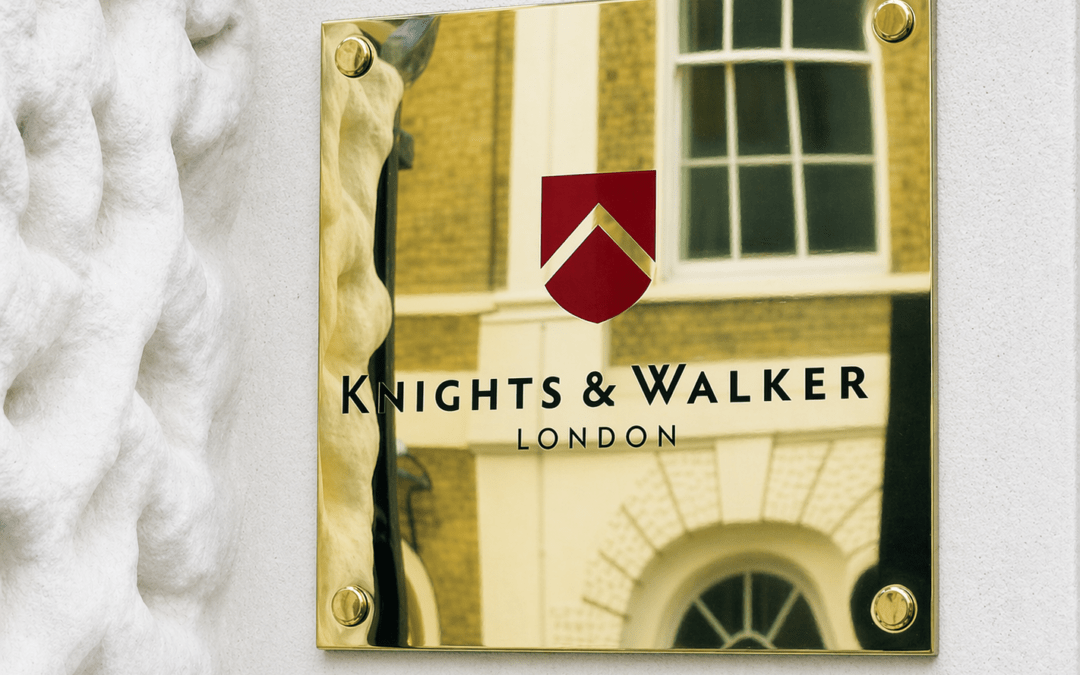
Brass Plaques offer a smart way to display names, signs, or special messages. They look warm and refined. Also, they suit homes, offices, hotels, schools, and public spaces.
You can choose the size, shape, finish, and wording. For example, a plaque may show a house name or company logo. It may also honour a person or mark an event.
However, choosing the right plaque takes some thought. This guide covers the main options. It also explains costs, finishes, fixings, and care.
What Are Brass Plaques?
A brass plaque is a solid metal sign. It often features engraved or etched text. Also, it may include logos, borders, dates, or emblems.
Unlike printed signs, brass has a rich metallic finish. It can suit both classic and modern settings. However, its final look depends on the chosen finish.
Some plaques use deep-cut engraved letters. Others use fine etched detail. In addition, paint can make the text easier to read.
Common choices include black, red, blue, or white paint. Yet, available colours will vary by supplier.
Why Choose Brass Plaques?
Brass has a warm and classic look. Therefore, it often suits formal or high-quality spaces. It can add style without looking too bold.
Custom brass plaques also offer great design freedom. For example, you can select the size and layout. You may also add a logo or custom border.
Businesses often use brass for clear identification. Meanwhile, homeowners may choose it for house names or numbers. Clubs and schools can use it for awards or honour boards.
Key benefits can include:
- A smart and lasting appearance
- Clear text and detailed logos
- A choice of shapes and sizes
- Several finish options
- Indoor and outdoor uses
- Flexible fixing methods
However, brass does need suitable care. Its surface can change over time. This change is called a patina.
Some people like the aged look. Others prefer a bright, polished finish. Therefore, think about future care before you order.
Popular Uses for Brass Plaques
Bespoke brass plaques can serve many needs. However, each setting may need a different design.
Offices and reception areas
A brass sign can display a company name or logo. It may sit near an entrance or reception desk. Also, smaller plates can identify meeting rooms and staff offices.
Clear lettering is vital in busy spaces. Therefore, the design should favour function as well as style.
Hotels and public venues
Hotels may use brass door plaques and room signs. Likewise, venues can use them for directions or key information.
Guests often view signs from several metres away. So, large and simple text may work best.
Homes and private property
Brass house signs can show a name or number. For example, they may be fixed beside a front door or gate.
Outdoor use needs more planning. Therefore, ask about finishes, fixings, and routine care.
Memorials and commemorations
Brass memorial plaques can record a name, date, or message. They may mark a person, event, gift, or opening.
Space is often limited. As a result, short wording tends to look clearer.
Awards and presentation pieces
Clubs, schools, and firms may use brass for awards. Also, small plaques can be fixed to shields, frames, or display cases.
Each new award may need to match older plates. Therefore, keep a copy of the approved design.
Machines and assets
Some firms use brass plates for labels or asset details. However, the right material depends on the setting.
Heat, chemicals, and heavy wear can affect the result. So, explain the full use to your supplier.
Engraved vs Etched Brass Plaques
Engraving cuts letters or shapes into the brass. As a result, the marks have clear depth. Paint may then fill each cut.
Etching removes a fine layer from selected areas. Therefore, it can suit detailed logos or small text. It may also create wide areas of colour.
Neither method is always better. Instead, the right choice depends on the design and budget.
| Feature | Engraved brass | Etched brass |
|---|---|---|
| Main method | Detail is cut into brass | Detail is formed on the surface |
| Best suited to | Clear text and simple logos | Fine detail and larger designs |
| Visual style | Crisp and traditional | Smooth and detailed |
| Colour options | Often paint-filled | Often paint-filled |
| Key factor | Cut depth and letter size | Artwork detail and plate size |
Ask your supplier which method suits your artwork. Also, request a proof before work begins.
Brass Plaque Finishes and Design Options
Polished brass has a bright and reflective face. Therefore, it can create a formal look. Yet, marks and fingerprints may show more clearly.
Satin brass has a softer sheen. As a result, it can be easier to view under strong lights. Brushed brass also has fine surface lines.
Finish names can differ between suppliers. So, ask for a sample or clear image when possible.
Other design choices may include:
- Standard or custom letter styles
- Paint-filled text
- Logos and emblems
- Single or double borders
- Square or rounded corners
- Custom shapes
- Bevelled edges
- Visible screw holes
- Hidden fixings
- Protective lacquer
A lacquer may slow surface change. However, no finish should be seen as care-free forever. Weather and cleaning can still affect it.
Can Brass Plaques Be Used Outdoors?
Yes, many brass plaques can be used outdoors. However, the design and finish must suit the location.
Rain and damp air can alter the surface. Likewise, salt, dirt, and pollution may speed up change. Frequent touching can also leave marks.
Uncoated brass often gains a natural patina. For some buyers, this is part of its charm. Yet, others may want to keep a brighter finish.
A protective coating can help. However, its life will depend on use and exposure. Harsh cleaners may also damage it.
Fixing materials matter too. For example, poor fixings may stain the plaque or nearby wall. Therefore, discuss the surface and location before ordering.
How to Choose the Right Brass Plaque
A clear plan can prevent common mistakes. Follow these steps before placing an order.
- Decide where the plaque will go.
First, note whether the site is indoors or outdoors. Also, check for rain, direct sun, or heavy handling. - Measure the available space.
Next, record the width and height. Allow enough space around doors, frames, or other signs. - Consider the viewing distance.
Large text is easier to read from far away. Therefore, avoid squeezing long wording onto a small plate. - Keep the message concise.
Short text often creates a cleaner design. In addition, key details will be easier to spot. - Choose a suitable finish.
Think about the setting and desired style. However, remember that each finish has different care needs. - Select the fixing method.
Screw holes are simple and clear. Meanwhile, hidden fixings may create a cleaner face. - Supply good artwork.
Sharp vector artwork often gives the best logo detail. So, ask which file type your supplier needs. - Check the proof carefully.
Finally, review names, dates, spelling, size, and layout. Production should only start after approval.
What Affects the Cost of Brass Plaques?
Prices vary because each order can be different. Therefore, suppliers need clear details before giving a quote.
Main cost factors include:
- Overall width and height
- Brass thickness
- Order quantity
- Engraving or etching
- Amount of text
- Logo detail
- Paint-filled areas
- Special shapes
- Rounded or bevelled edges
- Fixing parts
- Protective finishes
- Packing and delivery needs
Larger plaques usually need more metal. Likewise, detailed artwork may require more production work.
Small repeat orders may differ from one large batch. Therefore, share both your current and future needs. A clear brief will support a more accurate quote.
How to Clean and Care for Brass Plaques
Always check the supplier’s care advice first. Different finishes may need different cleaning methods.
Use a clean and soft cloth for light dust. Also, remove dirt with gentle movements. Hard rubbing may mark the surface.
Avoid rough pads and strong chemicals. Otherwise, you may scratch the brass or harm its coating.
Test any cleaner on a small area first. However, do not use metal polish on lacquered brass unless advised. Polish may damage or remove the coating.
Unlacquered brass may change colour over time. Therefore, decide whether you want a bright or aged look. Your supplier can then suggest suitable care.
What to Send When Requesting a Quote
A detailed enquiry saves time. It also helps the supplier understand your needs.
Include:
- The required width and height
- The number of plaques
- The exact wording
- A logo or artwork file
- Your preferred finish
- The indoor or outdoor location
- Your chosen fixing method
- The required delivery date
- The full delivery postcode
Also, mention the surface behind the plaque. For example, fixings may differ for wood, brick, stone, or plaster.
Ask for a digital proof before production. Then, check every detail with care.
Frequently Asked Questions About Brass Plaques
Do brass plaques tarnish?
Yes, brass can change colour when exposed to air and moisture. This process may create a natural patina. However, a protective finish can slow the change. Cleaning needs will depend on the finish. Therefore, follow the care advice from your chosen supplier.
Are brass plaques suitable for outdoor use?
Many brass plaques suit outdoor locations. However, rain, salt, pollution, and handling may affect them. The finish and fixings must also suit the site. So, tell the supplier exactly where the plaque will be fitted.
Can a logo be added to a brass plaque?
Yes, many suppliers can add logos and emblems. Engraving may suit bold designs. Meanwhile, etching can work well for fine detail. The artwork quality also matters. Therefore, supply a sharp vector file when possible.
What is the best thickness for a brass plaque?
There is no single best thickness. The right option depends on plaque size, fixing method, and location, but generally 1.5mm thick does the job. For example, a small indoor plate may differ from a large outdoor sign but the brass can be made into a small tray to give the perception of added depth. You can ask Canonbury Signs & Engraving to recommend a suitable specification.
How are brass plaques fixed to a wall or door?
Common options include screws, hidden studs, adhesive, or mounting plates. However, not every method suits every surface. The plaque’s weight and location also matter. Therefore, explain whether it will sit on wood, brick, stone, glass, or another material.
How long does a custom brass plaque take to make?
Production time depends on the design and supplier. Quantity, artwork, finish, and shape can affect the schedule. In addition, delivery may add extra time. Ask for a current lead time before ordering, especially when you have a fixed date.
Order Custom Brass Plaques with Confidence
Brass can provide a clear and refined sign. It also offers many choices for text, logos, finishes, and fixings.
Before ordering, confirm the size and exact wording. Next, choose the finish and fitting method. Finally, inspect the proof with care.
Well-planned Brass Plaques can serve homes, businesses, and public spaces. For tailored advice, send your requirements to a trusted UK supplier like Canonbury Signs & Engraving. You can request artwork guidance and a clear quote by contacting us here
Alternatively, for more photo examples click here