
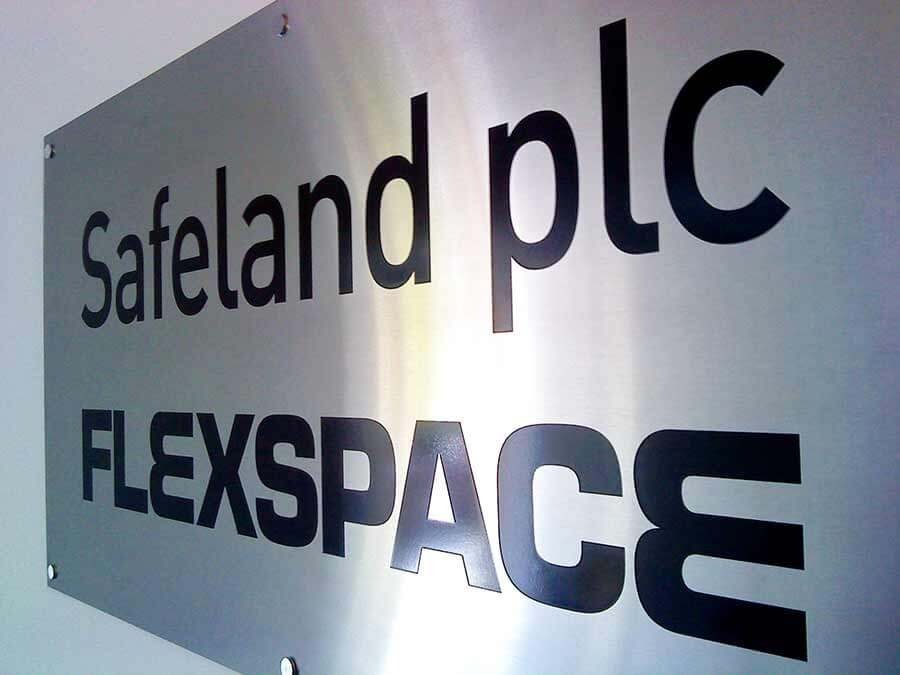
Stainless steel plaques are metal signs used to display names, words and logos. They suit shop fronts, office doors, homes and places where we honour loved ones. But choosing one involves more than picking a size and some text.
The steel grade, finish and fitting all affect the result. So does the way your words are marked into the surface.
You might need a smart business plaque or a tribute to someone special. Either way, a few sound choices can help you get it right. Here’s what to think about before you order.
Where can you use stainless steel plaques?
A steel plaque can help people find you and set the tone. For instance, clear black text on brushed steel suits an office entrance. It gives guests the details they need without a cluttered design.
Shops can also use plaques for brand names, opening hours or door signs. Meanwhile, clinics and other firms may need names and room numbers.
Steel works for home use and gifts, too. You could choose a house name, a plaque to mark a life or an event. Yet each use calls for its own design.
A house number needs to stand out from the road. By contrast, a memorial may be read close up. That leaves more room for a short verse and key dates.
Stainless steel nameplates can also carry asset numbers or equipment details. Here, clear text and the way it will be used matter more than flourishes.
Are stainless steel plaques suitable outdoors?
Yes, the right grade and finish can suit outdoor use. But stainless steel comes in different grades. Each copes with weather and wear in its own way.
Grade 304 is a common choice for indoor use. It can also suit some outdoor sites where there is little salt or grime. However, salty or harsh sites need more thought.
Grade 316 is better able to withstand salts. So it is often preferred near the coast. Even then, it is not immune to staining or corrosion.
The site itself matters as much as the town or street. For instance, a sheltered entrance may trap salt and dirt. Rain might wash an exposed plaque, while a covered one stays dirty.
Tell your sign maker where the plaque will go. Also mention sea spray, pool water or any harsh cleaners used nearby. This helps them assess the grade and finish you need.
Brushed or polished: which finish looks best?
Both can look smart, but they do not reflect light the same way. Think about the wall, the lighting and the viewing angle.
Brushed stainless steel
A brushed finish has fine lines running across its surface. These give the metal a softer look than a mirror finish.
It often suits shops, homes and places of work. Yet brushed steel still reflects light and can show marks. Check a sample if you are concerned about glare or marks.
Mirror-polished stainless steel
A mirror finish is smooth and reflects lots of light. As a result, it picks up colours and shapes around it.
This can create a striking effect at an entrance. But glare may make some text harder to read. Fingerprints can also stand out on the shiny surface.
If you can, view samples where the plaque will sit. Then check them from the angles people will use.
How are the words and logos added?
Not all engraved stainless steel plaques are made the same way. In fact, the term “engraved” can refer to more than one way of marking steel.
Mechanical engraving
A cutting tool removes metal to form the words or design. This leaves a recess, meaning the mark sits below the surface.
The tool and cut depth affect the detail you can achieve. So very small letters or fine lines need checking first.
Chemical etching
Chemical etching removes chosen parts of the surface with chemicals in a controlled process. It can suit fine lines, logos and large blocks of text.
The recessed design can then be filled with paint for contrast. However, suitable line widths and text sizes still depend on the process.
Laser marking and engraving
A laser can mark steel in a range of ways. For instance, some methods change the surface colour without cutting a recess. Others remove metal to create an engraved mark.
So ask what type of laser finish you are being quoted for. Also check that it suits the plaque’s setting and level of wear.
Paint-filled text
Paint can be added to recessed words or logos. This makes them clearer against the metal.
Black is a clear, simple choice for many designs. Yet other colours may suit your logo or message. Ask about colour matching and outdoor suitability before you sign off the proof.
What makes a plaque easy to read?
Start with the words people need to see first. Then build the layout around that message.
A business name should have more space than extra details. Likewise, a house number should not get lost next to a fancy font.
Keep these points in mind:
- Choose a clear font with well-spaced letters.
- Leave room around the edges and between lines.
- Use strong contrast between the text and metal.
- Match text size to the viewing distance.
- Cut spare words before shrinking the whole design.
Thickness matters, too, though thicker does not always mean better. The right choice depends on size, fitting and the look you want.
For logos, a vector file is often helpful. This holds clean shapes that can be scaled and stay sharp. But if you only have a JPEG, send it for review.
Ask for an artwork proof before work starts. Then check each name, date, phone number and line break. Reading it aloud can also help you catch small mistakes.
How do you fit a stainless steel plaque?
The fixing method should suit both the plaque and the surface. So decide how it will be mounted before you order.
Visible screws give a simple look with fixings on show. Stand-off fittings, meanwhile, hold the plaque away from the wall. That gap adds depth, though it may not suit every setting.
Hidden fixings keep the front clear of screw heads. Yet they need a suitable design and enough support behind them.
Glue can work for some plaques if the surface is right. But it is not the right answer for all jobs. Weight, damp, heat and the state of the wall affect the choice.
Also check that the chosen fixings suit the steel and the site. For large or heavy plaques, ask how to fit them safely.
How do you keep the steel looking good?
Routine care helps prevent dirt and salt from building up. Start with mild soapy water and a soft cloth. Then rinse with clean water and dry the surface.
For brushed finishes, wipe along the grain if you can. Also follow the maker’s advice for any paint-filled text.
Avoid plain steel wool, as it can leave bits of iron that rust. Rough pads may scratch the finish, while bleach can damage stainless steel. So check cleaning products before using them.
Coastal and exposed sites may need more frequent care. Yet sheltered outdoor plaques can trap dirt too. Set a cleaning routine based on what the site needs.
If stubborn stains appear, ask for advice before using stronger products.
What affects the price of a plaque?
The cost depends on more than the amount of steel. For instance, a detailed logo may need extra work on the proof.
Other factors include:
- Plaque size, thickness and shape.
- Steel grade and surface finish.
- The marking process and colour fills.
- The number of plaques ordered.
- Fixings, fitting and access to the site.
When you compare quotes, check that they cover the same grade, finish and fixings. If not, you may pay less but get a plaque that falls short.
It is also worth comparing materials before you decide. Stainless steel gives a cool, silver look, while brass has warmer tones. Aluminium is lighter, which may help with some types of fitting.
Still, no single metal wins on every job. Choose based on the setting, design, care needs and full quoted cost.
Stainless steel plaque FAQs
Can stainless steel plaques rust?
Yes, staining and corrosion can occur in some conditions. Yet the right grade, good workmanship and care reduce the risk. Rust marks can also come from bits of iron left on the surface.
Is 304 or 316 better for outdoor use?
That depends on the site and how much salt or dirt it faces. Grade 316 tends to cope with salt better than 304. But even 316 needs the right finish and care in harsh settings.
Can a plaque include a logo and colour?
Yes, suitable marking methods can show logos and include colour fills. Yet very fine lines and small text may need changes. Send your artwork so the sign maker can check it will work.
Are stainless steel plaques suitable for memorials?
They can be a good choice for a simple tribute. First, check any rules set by the site owner. Then choose the grade and fitting to suit the site.
What do I need to request a quote?
Share your wording, rough size, how many you need and where they will go. Also include your logo, preferred finish and any fitting details. A photo of the wall can help explain the setting.
Let’s talk about your plaque
Choosing stainless steel plaques is easier with a clear starting point. You do not need to know all the trade terms before getting in touch.
Contact Canonbury Signs & Engraving Limited to discuss your idea and request a quote. Send your wording, size and a photo of the chosen site. Then we can talk through what you need for your project.